
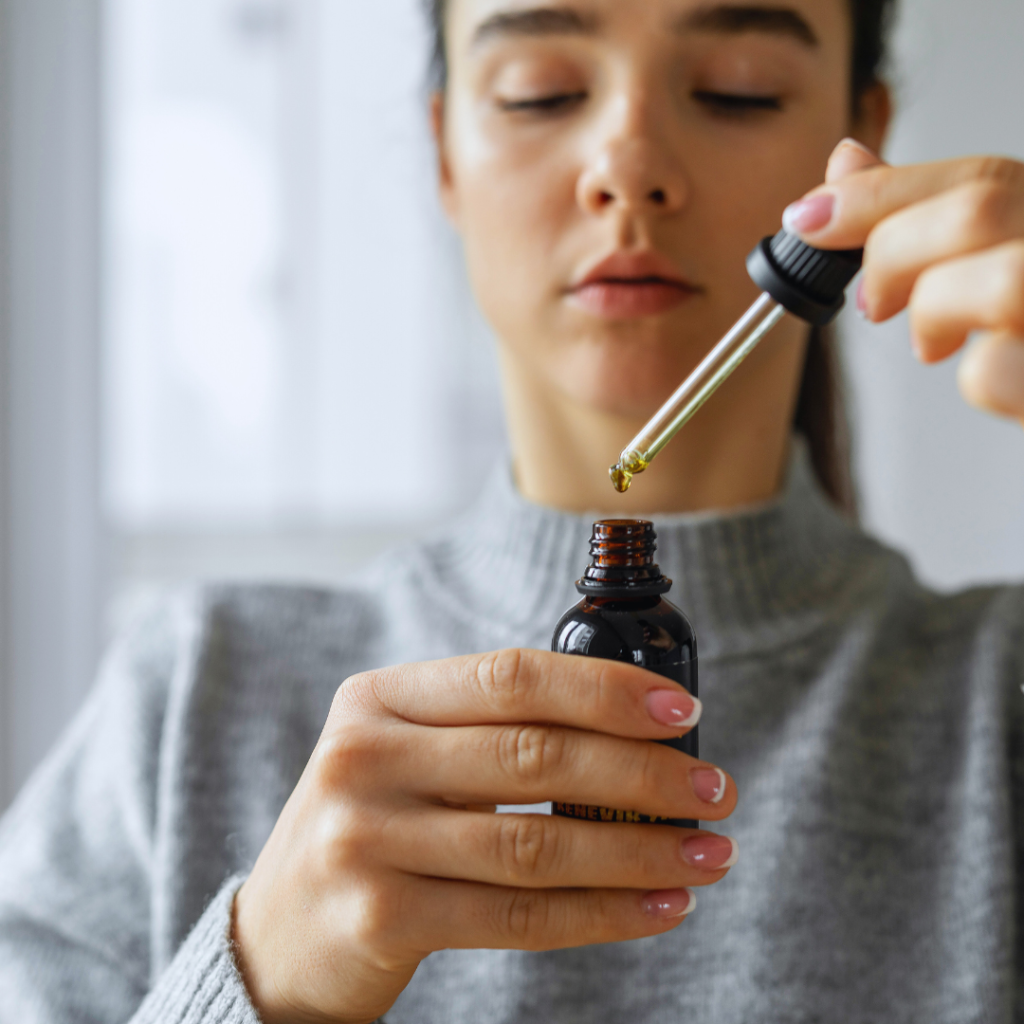
CBD oil is a natural product derived from the cannabis plant that has gained popularity for its potential wellness benefits. It is commonly used to support relaxation, manage mild discomfort, and promote overall balance without the psychoactive effects of THC.
Understanding what CBD oil is, how it works, and what to expect can help beginners make informed choices. This guide will break down the basics, including types, usage, and what to look for in quality products.
What is CBD Oil?
CBD oil is derived from the cannabis plant and contains compounds that interact with the body’s systems. It is distinct from marijuana products and is widely used for its reported health effects without causing intoxication.
Definition and Overview
CBD oil contains cannabidiol (CBD), a natural compound found in hemp and marijuana plants. Unlike THC, CBD does not produce a “high.” It is typically extracted from hemp, a variety of cannabis with low THC content (below 0.3% by law in many regions).
The oil is usually diluted with carrier oils like coconut or hemp seed oil for easier consumption. People use CBD oil in various forms, including tinctures, capsules, and topical creams. It is often sought for potential effects on pain, anxiety, and inflammation.
How CBD Oil is Made
CBD oil production begins with hemp cultivation, focusing on plants high in CBD and low in THC. Extraction methods vary; the most common are CO₂ extraction, ethanol extraction, and oil infusion.
CO₂ extraction is favored for its precision and purity. It uses pressurized carbon dioxide to separate CBD and other cannabinoids from plant material without harmful solvents. Ethanol extraction involves soaking hemp in alcohol and then evaporating the solvent. Oil infusion mixes plant material with carrier oils and heats it to extract cannabinoids.
After extraction, the oil may undergo refinement to remove impurities, resulting in full-spectrum, broad-spectrum, or isolate CBD products.
Key Differences Between CBD and THC
The primary difference between CBD and THC (tetrahydrocannabinol) lies in their effects on the brain. THC is psychoactive, causing the “high” associated with marijuana. CBD is non-psychoactive and does not induce intoxication.
| Feature | CBD | THC |
| Psychoactive | No | Yes |
| Legal Limit | 0.3% THC content | Often restricted |
| Effects | May reduce anxiety, pain, and inflammation | Euphoria, altered perception |
| Source | Hemp or marijuana | Primarily marijuana |
Both compounds interact with the body’s endocannabinoid system but produce different responses. Understanding this distinction is crucial when choosing CBD oil products.
How CBD Oil Works in the Body
CBD oil interacts with specific systems and processes in the body that regulate various functions. How it is absorbed and metabolized affects its potency and duration. Its influence on health involves multiple biological pathways but does not produce psychoactive effects.
The Endocannabinoid System
The endocannabinoid system (ECS) is a complex cell-signaling system present in the human body. It helps regulate functions like mood, pain, appetite, and immune response. The ECS consists of endocannabinoids, receptors (CB1 and CB2), and enzymes.
CBD interacts mainly with CB2 receptors, which are abundant in the immune system, and indirectly affects CB1 receptors found mainly in the brain. Unlike THC, CBD does not bind directly to these receptors but influences them by modulating receptor activity and increasing endocannabinoid levels. This interaction helps maintain balance in the body’s systems.
CBD Oil Absorption and Metabolism
After ingestion, CBD oil enters the bloodstream, but its bioavailability varies based on the consumption method. Sublingual use (under the tongue) allows faster absorption, bypassing the digestive tract, while oral ingestion means slower absorption and processing by the liver.
In the liver, enzymes from the cytochrome P450 family metabolize CBD. This process impacts how long CBD stays active and can influence the effectiveness or interaction with other medications. Understanding these factors helps users choose the best delivery method and dosage.
Potential Effects on Health
CBD oil influences several physiological processes, often associated with reducing inflammation, anxiety, and pain. Research indicates it interacts with serotonin receptors, which may affect mood and stress response. It also modulates immune function through CB2 receptor activity.
Though promising, effects vary among individuals and conditions. CBD does not induce intoxication or euphoria, making it distinct from THC. Users should consider product quality, dosage, and possible interactions when using CBD oil for health purposes.
Types of CBD Oil
CBD oil comes in different forms, each varying in its cannabinoid content and potential effects. Understanding these types helps in selecting the right product based on individual needs and preferences.
Full-Spectrum CBD Oil
Full-spectrum CBD oil contains all cannabinoids found in the cannabis plant, including THC (within legal limits). These cannabinoids work together through the “entourage effect,” which may enhance the overall benefits of the oil.
This type often includes trace amounts of terpenes, flavonoids, and other plant compounds. Users seeking a broad range of cannabis compounds typically prefer full-spectrum products. However, small THC content means it could show up on drug tests.
Broad-Spectrum CBD Oil
Broad-spectrum CBD oil contains multiple cannabinoids and compounds but is completely free of THC. It offers some benefits of the entourage effect without the risk of THC exposure.
This makes it a good choice for individuals concerned about drug testing or sensitive to THC. While it includes other cannabinoids and terpenes, the absence of THC means it might be slightly less potent than full-spectrum in terms of synergy.
CBD Isolate
CBD isolate is the purest form of CBD, isolated from all other cannabinoids, terpenes, and plant material. It usually comes as a crystalline powder or infused oil and contains 99% or more CBD.
This type is ideal for those who want to avoid THC or other compounds entirely. It allows precise dosing of CBD but does not benefit from the entourage effect present in full or broad-spectrum oils.
How to Choose Quality CBD Oil
Selecting high-quality CBD oil requires attention to specific details found on product labels, verification of the brand’s credibility, and understanding the product’s potency for safe and effective use. Focus on transparency, lab testing, and correct dosage guidance.
Reading Labels and Certificates
Always check for a Certificate of Analysis (COA) from a third-party lab. This document confirms the product’s cannabinoid content and verifies that it is free of contaminants like pesticides or heavy metals.
Labels should clearly list the amount of CBD per serving, total oil volume, extraction method (CO2 extraction is preferred), and the source of hemp (organic is better). Avoid products with vague terms like “hemp extract” without detailed cannabinoid information.
Look for THC levels under 0.3% to comply with federal regulations. Additionally, check the expiration date and storage instructions to ensure potency.
Identifying Reputable Brands
Reputable brands provide detailed information about their farming and production processes. Prioritize companies that use organic hemp grown in the U.S. or Europe and disclose their extraction methods.
Brands with transparent customer service and accessible lab reports show responsibility. Research the company’s history and look for positive third-party reviews or certifications.
Avoid brands making unsupported health claims or offering extremely cheap products, which often indicate low-quality manufacturing.
Understanding Concentrations and Dosages
CBD oil concentration typically ranges from 250 mg to 5,000 mg per bottle. Higher concentrations mean stronger effects and require smaller doses.
Start with a low dose, like 5-10 mg per day, gradually increasing until desired effects occur. Follow dosage instructions on the label or consult with a healthcare professional.
Keep in mind that bioavailability differs by consumption method, so adjust dosage accordingly. Precise labeling helps avoid underdosing or overdosing.
How to Use CBD Oil
CBD oil can be consumed in various ways, and finding the right approach depends on personal preference and desired effects. Dosage matters and should be adjusted carefully. First-time users will benefit from specific tips to ensure safe and effective use.
Common Methods of Consumption
The most popular way to use CBD oil is sublingually, by placing drops under the tongue. This allows quick absorption through the mucous membranes within 15-30 minutes. Capsules and edibles offer a discreet option, but effects take longer, usually 60-90 minutes.
Topical application, like creams or balms, targets localized areas and bypasses digestion. Vaping provides a fast onset, but it involves respiratory risks and is not recommended for everyone.
Each method affects the onset and duration of effects differently. Choose based on convenience, preferences, and how quickly you want the CBD to work.
Recommended Dosage Guidelines
Start with a low dose—typically 5-10 mg of CBD per day. Increase gradually by 5 mg every few days if needed, watching for how the body responds. Most users find effective doses between 20-50 mg daily.
Read product labels carefully to determine concentration. For example, if a bottle contains 1000 mg of CBD in 30 ml, each ml has about 33 mg of CBD. Use a dropper to measure accurately.
Always consult a healthcare provider before starting, especially if you are on medication or have medical conditions. Avoid taking large doses initially to prevent side effects such as fatigue, dry mouth, or dizziness.
Tips for First-Time Users
Begin on an empty stomach to gauge how your body reacts. Keep a journal tracking your dose, method, time of day, and any effects. This helps identify the most effective routine.
Use reputable products with third-party lab testing to ensure purity and potency. Start slow; the effects of CBD often build over time instead of appearing immediately.
Be patient and consistent. Avoid mixing with alcohol or other substances. Adjust according to comfort and consult professionals if uncertain.
Potential Benefits of CBD Oil
CBD oil is often used for various health purposes due to its interaction with the body’s endocannabinoid system. It may influence mood, sleep, and pain perception without causing intoxication.
Managing Stress and Anxiety
CBD oil has gained attention for its potential to reduce feelings of stress and anxiety. Research suggests it may affect serotonin receptors in the brain, which play a crucial role in mood regulation.
People experiencing social anxiety or general stress have reported relief after using CBD products. Though results vary, many find it helps create a calmer mental state without sedation. Typical doses range from 10-25 mg per day, with effects often noticeable within an hour.
CBD is not a replacement for professional mental health treatment, but could be a useful complementary option. Users should start with a low dose and monitor how their body responds.
Supporting Sleep Quality
Difficulty falling or staying asleep is common, and CBD oil is used by some to support better sleep cycles. It may promote relaxation that helps reduce the time it takes to fall asleep.
CBD’s influence on sleep seems linked to its calming effects on the nervous system. Some studies find improved total sleep time and less waking during the night.
CBD does not cause typical drowsiness like some medications, but it may improve the overall quality of rest. A typical dose for sleep ranges from 15 to 50 mg, often taken 30-60 minutes before bedtime.
Relieving Physical Discomfort
CBD oil is frequently used for managing discomfort related to inflammation or muscle tension. It interacts with cannabinoid receptors involved in pain signaling.
Individuals with conditions such as arthritis or muscle soreness sometimes experience reduced discomfort after using CBD. Topical applications and oral oils are common methods for targeted relief.
There is evidence supporting CBD’s anti-inflammatory properties, but it is not a substitute for conventional pain treatment. Proper dosing and consistency are key factors in its effectiveness.
Possible Side Effects and Risks
CBD oil may cause some mild to moderate side effects and can interact with certain medications. It is important to understand these effects and know who should avoid using CBD oil.
Common Reactions
Most people tolerate CBD well, but some experience side effects. These can include dry mouth, drowsiness, and lightheadedness. Gastrointestinal issues such as diarrhea or changes in appetite have also been reported.
The severity of side effects often depends on the dose and individual sensitivity. Starting with a low dose and gradually increasing can help minimize adverse reactions. Monitoring your response is important.
Drug and Medication Interactions
CBD can interfere with how your liver metabolizes certain drugs. It affects enzymes called cytochrome P450, which process many prescription medications.
Medications for epilepsy, blood thinners, and some antidepressants are common examples that may interact with CBD. Combining these can increase side effects or reduce drug effectiveness.
Always consult a healthcare professional before using CBD if you take other medications. Provide a full list of current prescriptions to avoid harmful interactions.
Who Should Avoid CBD Oil
Certain groups should avoid CBD oil due to potential risks. Pregnant and breastfeeding women are advised against CBD because its effects on the fetus or infant are not well studied.
People with liver disease or severe medical conditions should consult a doctor first. Children and individuals with certain allergies might also require caution.
Avoid using CBD oil without medical advice if you fall into any of these categories to prevent health complications.
Legal Considerations of CBD Oil
CBD oil laws differ significantly depending on your location and intended use. It’s essential to know specific regulations and restrictions to avoid legal issues. Understanding these rules helps ensure safe and lawful possession and usage.
Understanding Local Laws
CBD oil legality varies from state to state and country to country. In the United States, CBD derived from hemp with less than 0.3% THC is federally legal. However, some states have stricter laws that limit or regulate sales and use.
Check your state’s specific regulations on CBD. Some states allow only medical use, while others permit full recreational use. Pay attention to labeling and quality standards set by your local health department or regulatory agency.
Internationally, several countries prohibit or restrict CBD, so local laws must be confirmed before purchase or use. Ignorance of these laws can lead to fines or confiscation.
Traveling with CBD Oil
Carrying CBD oil across state or national borders can lead to legal complications. When flying within the U.S., the TSA allows hemp-derived CBD products with less than 0.3% THC in carry-on or checked baggage.
Crossing international borders with CBD is riskier. Many countries consider CBD illegal regardless of THC content. Traveling with CBD oil requires checking the customs regulations of your destination and any transit countries.
To avoid issues, carry only products with clear labeling and certificates of analysis that confirm THC levels. Also, keep CBD products in original packaging for easier identification during security checks.
Conclusion
CBD oil offers a range of potential uses, from supporting relaxation to managing mild discomfort. It’s important to choose high-quality products and pay attention to dosage to ensure the best experience.
Start with a low dose and increase gradually while monitoring how your body responds. Keep in mind that effects may vary based on factors like metabolism and product type.
When selecting CBD oil, consider these key points:
| Factor | Importance |
| Source | Look for organic, reputable |
| Extraction Method | CO2 extraction preferred |
| Third-Party Testing | Ensures purity and potency |
Always consult a healthcare professional before starting CBD, especially if you take other medications. This helps avoid possible interactions and ensures safe use.
Understanding local laws is also essential, as CBD regulations vary by region. Make sure to purchase products that comply with legal requirements where you live.
With informed choices and realistic expectations, CBD oil can be incorporated thoughtfully into your wellness routine, supporting your needs without overstating benefits.