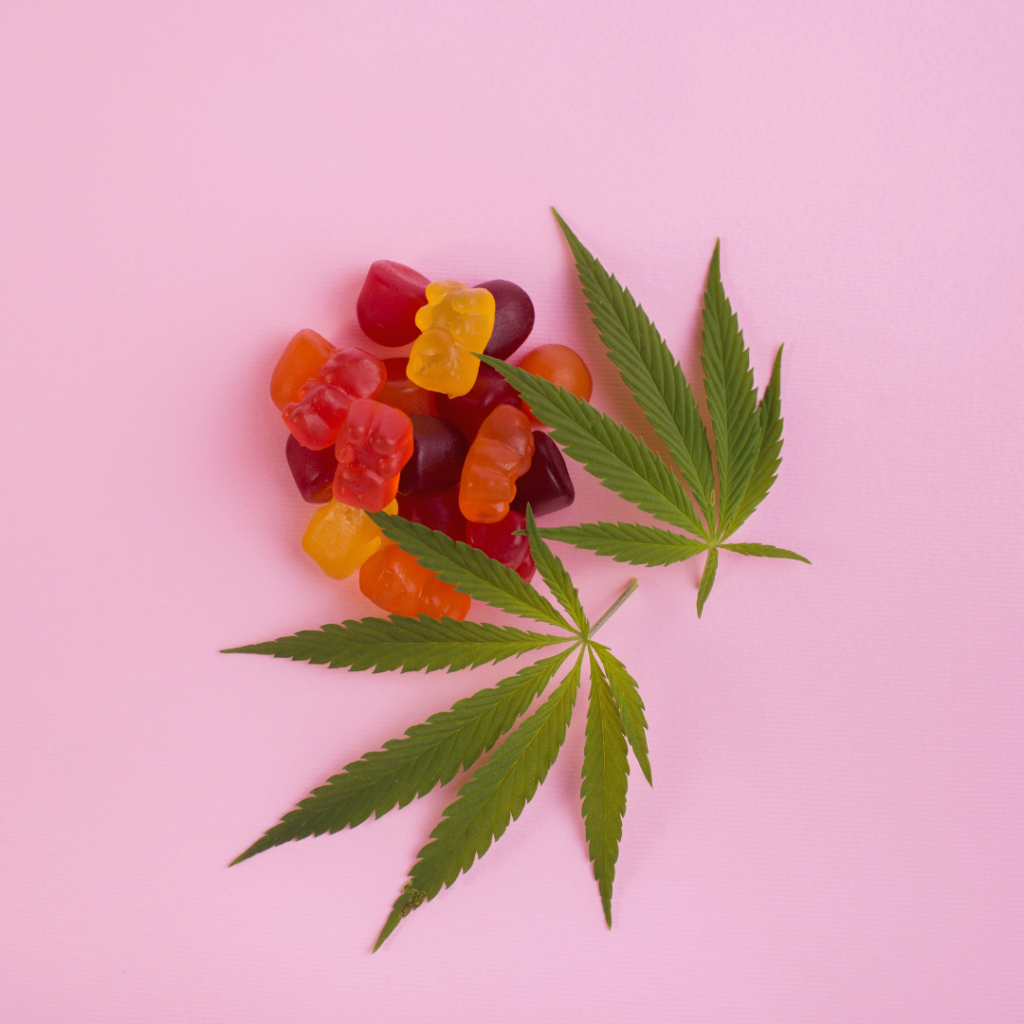
Finding the right dosage of CBD gummies is key to experiencing their potential benefits without unwanted effects. A common starting point is 5 to 10 milligrams of CBD per gummy, adjusting based on individual response and desired effects.
Dosage depends on factors like body weight, metabolism, and the reason for use. Understanding these can help you tailor your intake safely and effectively.
This guide will break down how to determine the optimal dose for your needs, ensuring you get the most out of your CBD gummy experience.
What Are CBD Gummies?
CBD gummies are a popular form of edible that delivers cannabidiol (CBD) in a tasty, convenient format. Understanding their composition and variations is key to selecting the right product and dosage.
Overview of CBD Edibles
CBD edibles are food products infused with CBD extract, offering an alternative to oils or capsules. Gummies combine CBD with gelatin, sugar, and flavoring, making them accessible and easy to dose.
When consumed, CBD in gummies passes through the digestive system, which can delay onset time to 30-90 minutes but may prolong effects. The exact CBD content per gummy varies by brand, commonly ranging from 5 mg to 30 mg.
Consistency and precise dosing are advantages of gummies. They avoid the bitter taste of raw CBD oil and provide a discreet option for daily use.
Types of CBD Gummies
There are three main types of CBD gummies based on the CBD extract used: full-spectrum, broad-spectrum, and CBD isolate.
- Full-spectrum gummies contain all cannabinoids, including trace THC (below 0.3%), terpenes, and flavonoids, possibly enhancing effects through the entourage effect.
- Broad-spectrum gummies include multiple cannabinoids but are THC-free.
- CBD isolate gummies offer pure CBD without other cannabinoids or terpenes, preferred by users avoiding THC entirely.
Some gummies also feature added ingredients like melatonin for sleep or vitamins for wellness support, tailored to specific needs.
How CBD Gummies Work in the Body
When consumed, CBD gummies interact with the body through specific processes that affect how quickly and efficiently the compound is absorbed and how long the effects last. Understanding these mechanisms helps identify the right dosage and timing for use.
CBD Absorption and Metabolism
CBD gummies are ingested orally, meaning CBD passes through the digestive system before entering the bloodstream. The CBD must first travel to the stomach and then to the liver, where it undergoes first-pass metabolism. This process reduces the amount of CBD that reaches systemic circulation, typically resulting in about 6-20% bioavailability.
In the liver, enzymes break down some of the CBD, affecting both the intensity and duration of its effects. Factors such as metabolism speed, food intake, and individual body chemistry influence how much CBD ultimately becomes active in the bloodstream.
Duration and Onset of Effects
The effects of CBD gummies usually take longer to appear compared to other methods like vaping or sublingual tinctures. Onset time ranges from 30 minutes to 2 hours because of the digestion and metabolism process.
Once absorbed, the effects of CBD from gummies can last between 4 to 8 hours, depending on the dose and individual factors such as body weight and tolerance. Higher doses often result in longer-lasting effects but may take more time to fully manifest.
Factors Influencing CBD Gummies Dosage
Several factors determine the appropriate CBD gummies dosage for an individual. These include physical characteristics, health status, and the intended benefits. Adjusting the dosage based on these factors can improve effectiveness and safety.
Body Weight and Metabolism
Body weight affects how CBD is absorbed and processed. Generally, heavier individuals might require higher doses to achieve the same effects as lighter individuals. However, metabolic rate also plays a role; a faster metabolism can lead to quicker CBD breakdown, reducing its duration and potency.
Metabolism varies widely due to genetics, activity levels, and diet. People with slower metabolisms might feel the effects of CBD longer and may need lower doses. Tracking personal response over time helps adjust intake appropriately.
Individual Health Conditions
Pre-existing health issues can influence CBD dosage requirements. For example, liver function affects how CBD is metabolized, so those with liver conditions should start with lower doses. Certain medications may interact with CBD, warranting medical consultation before dosage decisions.
Chronic conditions such as anxiety or chronic pain might require consistent low-to-moderate dosing, while others with mild symptoms could start with minimal amounts. Tailoring dosage based on health specifics avoids adverse effects and ensures better tolerance.
Purpose of Use
The reason for taking CBD gummies significantly guides dosage. For general wellness or mild stress, doses between 5-10 mg may be sufficient. For more severe issues like chronic pain or insomnia, higher doses from 20 mg upwards might be necessary.
Different outcomes also dictate dosing frequency. Occasional use for mild symptoms often involves single doses, while chronic conditions may need daily, divided doses. Monitoring symptom response allows fine-tuning dosage for targeted results.
| Purpose | Typical Dosage Range | Frequency |
| General wellness | 5-10 mg | As needed |
| Mild anxiety/stress | 10-15 mg | Daily or as needed |
| Chronic pain/insomnia | 20 mg or higher | Daily, possibly divided |
Determining the Right CBD Gummies Dosage
Finding the proper amount of CBD gummies involves understanding your body’s reaction, current health conditions, and experience with CBD. Dosage varies widely and often requires starting small and increasing gradually.
Recommended Starting Dosages
Most users begin with 5 to 10 milligrams of CBD per dose. This range works well for individuals new to CBD or seeking mild effects. Gummies typically contain CBD amounts labeled clearly, making dosage easier to track.
For sensitive users or those under 100 pounds, starting at 2.5 to 5 milligrams is advised. Taking gummies with food can increase absorption but may delay the onset. Always follow product guidelines and consult a healthcare professional if you have underlying conditions or take medications.
Titration and Adjustment
After initial dosing, observe effects over 3 to 7 days before increasing. Adjust increments by 5 milligrams at a time to avoid unwanted side effects. This slow titration ensures you find the minimum effective dose.
Tracking your dose and response can help tailor the right amount. Side effects like fatigue or gastrointestinal discomfort suggest reducing the dosage. If no relief occurs after several adjustments, consider higher doses or alternate products.
Guidelines for Different Experience Levels
Beginners should prioritize low doses (2.5–10 mg) and monitor reactions carefully. Intermediate users may find that 10–25 mg achieves desired outcomes. Experienced users often require 25–50 mg or more.
Age, weight, metabolism, and reason for use strongly influence needs. For example, chronic pain often requires higher doses than mild anxiety. Customizing the amount based on personal factors ensures safer, more effective use.
Dosage Recommendations by Desired Outcome
Different effects require varying amounts of CBD, depending on the strength of the gummies and individual factors like weight and tolerance. Starting low and adjusting gradually is key to finding the right dose for specific needs.
Dosage for Stress and Anxiety
For stress and anxiety relief, a common starting dosage is 10-20 mg of CBD per day. If symptoms persist, increasing to 30-40 mg can provide stronger effects.
Take gummies in divided doses, such as twice a day, to maintain steady levels. Some users find benefits after 30-60 minutes, with effects lasting 4-6 hours. It’s important to monitor how your body reacts before increasing the dosage.
Dosage for Sleep Support
CBD for sleep typically requires slightly higher doses than for anxiety. Begin with 15-30 mg about an hour before bedtime. Some users may need up to 50 mg for deeper sleep benefits.
Effects usually appear within 30-90 minutes. A single larger dose before bed is more effective than spreading intake throughout the day. Avoid exceeding 70 mg unless supervised by a healthcare provider.
Dosage for Pain Management
Pain relief generally calls for higher doses of CBD gummies. Start with 20-40 mg per dose and adjust based on the pain’s intensity. Some people require doses up to 60-80 mg.
Divide the dosage to maintain consistent relief, such as morning and evening. CBD effects on pain may take longer to develop, sometimes up to 2 hours, with benefits lasting several hours. Always track your response over several days before adjusting.
How to Measure and Track Your Dosage
Measuring and tracking CBD gummy dosage requires careful attention to detail and consistent monitoring. Knowing how to read product labels accurately and maintaining a clear record of intake and effects helps optimize use while ensuring safety.
Reading Product Labels
Product labels provide essential information about CBD concentration per gummy. Look for CBD content listed in milligrams (mg), which indicates how much CBD is in each gummy. Avoid labels that only state the total CBD in the package without specifying per piece dosage.
Check for other ingredients that may affect your response or interact with medications, such as THC content or additional cannabinoids. Also, note the serving size and suggested dosage instructions, but use these as guidelines rather than strict rules.
Verify the product’s third-party testing information, often found on the label or company website. Certificates of analysis (COA) confirm potency and purity, ensuring the dosage you measure correlates with actual CBD content.
Record-Keeping and Monitoring Effects
Track each dose you take by recording the amount, time, and your physical or mental response. Use a simple journal, mobile app, or spreadsheet to keep consistent records. Note any side effects, changes in symptoms, or improvements.
Start with a low dose and record how you feel at intervals over several days before adjusting. Gradual adjustments provide clearer insights into which dose works best.
Documenting helps prevent taking too much and aids in discussions with healthcare providers. Consistency in timing and dosage amounts improves the accuracy of your personal dosage guide.
Safety Considerations for CBD Gummies
CBD gummies may affect individuals differently depending on dosage, health conditions, and other substances taken simultaneously. Understanding these factors helps minimize possible adverse effects and risks.
Potential Side Effects
Common side effects of CBD gummies include dry mouth, dizziness, and changes in appetite. Some users report mild fatigue or diarrhea, especially with higher doses.
CBD may also cause slight drops in blood pressure. People sensitive to these changes should start with a low dose and monitor their reactions.
The severity of side effects often relates to dosage. Starting with the smallest effective dose reduces the chance of discomfort. Always follow product-specific guidelines.
Interactions with Medications
CBD can interact with medications metabolized by liver enzymes, particularly cytochrome P450 (CYP450). These interactions might increase or decrease the effects of drugs such as blood thinners, anti-epileptics, and antidepressants.
It’s crucial to consult a healthcare provider before combining CBD with prescription medications. That ensures safe management and prevents adverse reactions.
Avoid self-medicating with CBD if you take medications with a narrow therapeutic index without professional advice. Monitoring dosing adjustments may be necessary under medical supervision.
Adjusting Your CBD Gummies Dosage Over Time
Tracking how your body responds to CBD gummies and making changes based on results helps you find the right balance. It’s important to observe patterns in effectiveness and side effects and know when a dosage change is necessary.
Evaluating Effectiveness
Monitor your symptoms closely after taking CBD gummies, noting any improvements or lack thereof. Keep a journal recording the time, dosage, and effects. This helps identify if the current dose is meeting your needs.
Effectiveness can vary due to factors like metabolism, body weight, and product potency. Short-term effects might show quickly, but some benefits develop over weeks. If you notice reduced effects, your body might be building a tolerance.
When to Increase or Decrease Dosage
Increase dosage gradually if you see no benefit after consistent use for at least two weeks. Raise the amount by small increments, such as 5-10 mg, to avoid potential side effects like fatigue or digestive issues.
Decrease your dose if you experience adverse effects or if symptoms improve significantly. Lowering the dose can maintain benefits while minimizing side effects. Consult a healthcare provider before making significant dosage changes, especially if you use other medications.
Tips for Choosing Quality CBD Gummies
Choosing quality CBD gummies requires attention to brand reputation and verification of product testing. Understanding these factors helps ensure safety, potency, and transparency.
Selecting Reputable Brands
Reputable CBD brands prioritize transparency and product quality. Look for companies with clear ingredient lists and dosage information on their packaging. Established brands typically have customer reviews and certifications available on their websites.
Avoid brands that make unrealistic health claims or lack contact information. Trusted companies often use organic hemp and avoid harmful additives. You can verify a brand’s history and product range through independent consumer reviews or industry watchdog reports.
Checking for Third-Party Testing
Third-party lab testing confirms the purity and cannabinoid content of CBD gummies. Reliable products include a Certificate of Analysis (COA) accessible by QR code or website link. The COA shows cannabinoid levels, confirms the absence of contaminants, and verifies no more than legal THC limits.
Check that the testing lab is independent, ISO-certified, and uses accepted testing methods like HPLC or GC-MS. Avoid products without recent third-party test results or that only provide internal testing data. This step ensures you receive a product matching the label’s claims.