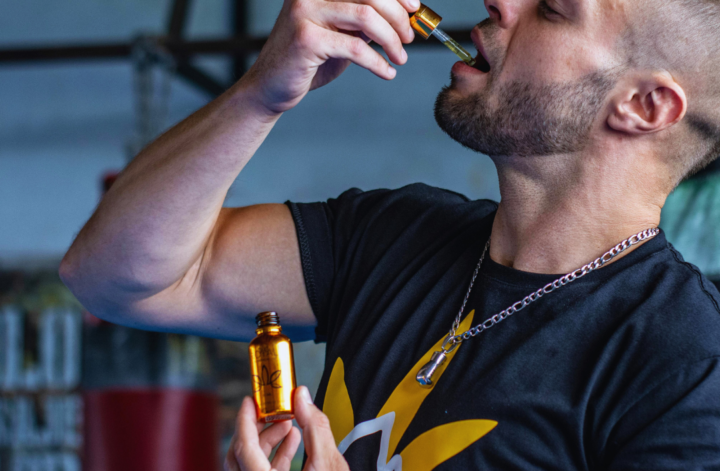
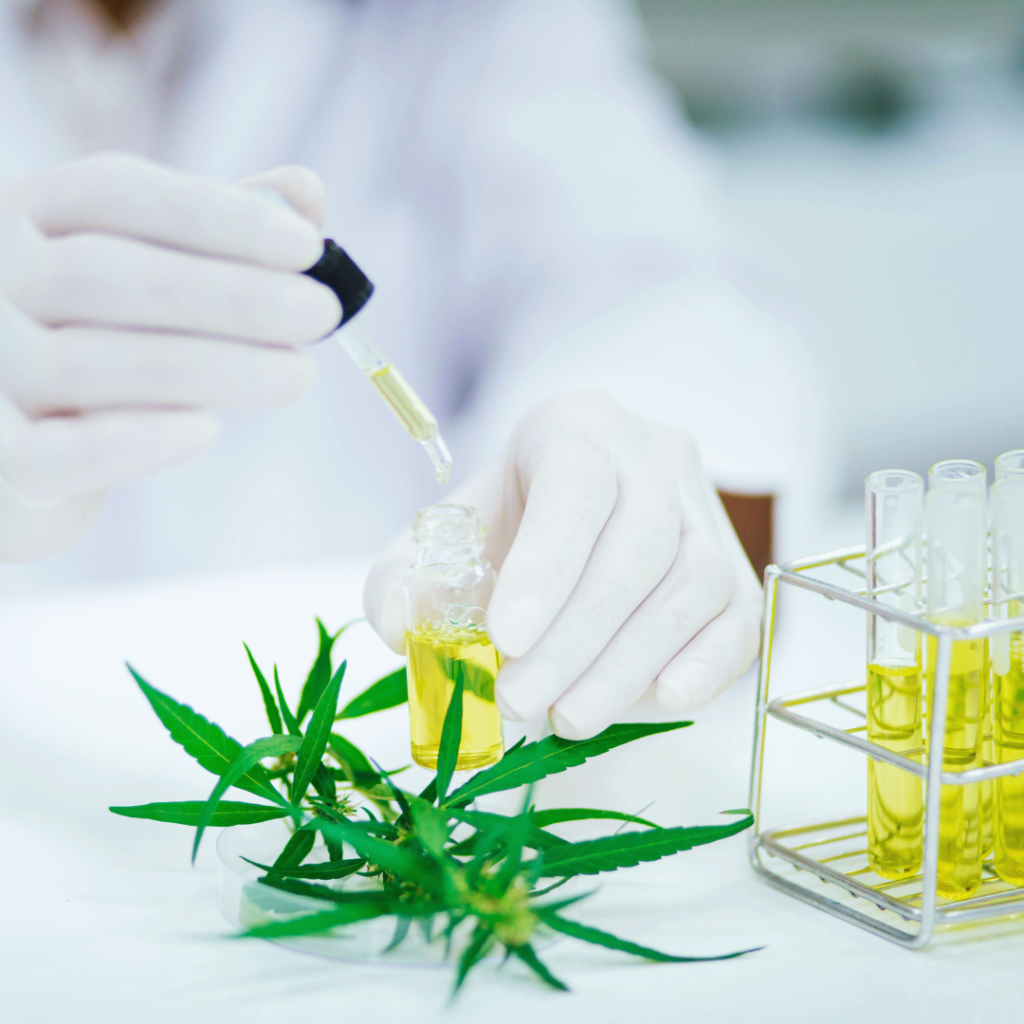
CBD quality testing ensures that products contain the advertised amount of CBD and are free from harmful contaminants. It involves analyzing potency, checking for pesticides, heavy metals, residual solvents, and microbial contamination to guarantee safety and effectiveness.
Testing is vital because CBD products are not uniformly regulated, making it easy to encounter mislabeled or unsafe items. Understanding how quality testing works helps consumers make informed choices and trust the products they use.
What Is CBD Quality Testing?
CBD quality testing ensures that products meet safety, potency, and purity standards. It involves analyzing various factors like cannabinoid content, contaminants, and consistency to protect consumers and maintain product integrity.
Purpose of Quality Testing
Quality testing verifies that CBD products contain the advertised amount of cannabinoids, primarily CBD and THC. It confirms the product is free from harmful contaminants such as pesticides, heavy metals, and residual solvents.
Testing also checks for microbial contamination, which can cause health risks if products are not sterile. This process helps manufacturers comply with regulations and build consumer trust by delivering consistent, reliable products.
Types of CBD Products Tested
Labs commonly test CBD oils, tinctures, capsules, edibles, topicals, and vaping liquids. Each form requires different testing methods due to varied compositions and potential contamination risks.
For example, tinctures and oils are checked for cannabinoid potency and solvent residue. Edibles are tested for cannabinoids and microbial contamination. Vaping products get additional testing for harmful chemicals formed during heating.
Importance for Consumers
CBD quality testing informs consumers about product safety, cannabinoid levels, and purity. It prevents exposure to harmful substances and ensures the product performs as expected.
Test results provide transparency, allowing buyers to verify claims like “THC-free” or specific CBD concentrations. This reduces risks associated with low-quality or mislabeled products in the market.
Key Testing Methods for CBD Products
CBD product testing focuses on accurate measurement of cannabinoids, detection of harmful substances, and verifying product strength. These methods ensure safety, compliance with regulations, and consistency in user experience.
Cannabinoid Profile Analysis
This method identifies and quantifies the different cannabinoids present in a product. Techniques like High-Performance Liquid Chromatography (HPLC) and Gas Chromatography (GC) are commonly used. HPLC is preferred because it does not degrade cannabinoids during testing.
The analysis reveals levels of CBD, THC, CBG, and other cannabinoids. This helps confirm the product matches its label claims and avoids illegal THC concentrations. It also informs consumers about the type of effects they can expect.
Data from cannabinoid profiles support quality control and product development. Manufacturers use this to refine formulas and ensure batch-to-batch consistency.
Contaminant Screening
Contaminant screening detects substances dangerous to health. These include pesticides, heavy metals (arsenic, lead, mercury), solvents, and microbial contaminants like bacteria and mold.
Tests use methods such as Mass Spectrometry and Inductively Coupled Plasma (ICP) to identify contaminants at trace levels. Results ensure products meet safety standards set by regulators.
Screening prevents contamination from raw materials or production processes. It also protects consumers from potential health risks like toxicity or allergic reactions from impurities.
Potency Testing
Potency testing verifies the total amount of active ingredients, mainly CBD and THC, per serving or dose. This helps consumers understand how strong a product is and how much to consume.
Analysis typically measures milligrams per milliliter or per gram. Consistency in potency confirms dosage accuracy and helps avoid overdosing or underdosing.
These tests are essential for products intended for medical or therapeutic use where precise dosing matters. They also support accurate labeling and trustworthy marketing claims.
Common Contaminants Detected in CBD
CBD products can sometimes contain harmful substances that affect safety and quality. Testing targets specific contaminants like chemicals, metals, microbes, and leftover solvents to ensure products meet regulatory standards.
Pesticides and Herbicides
Pesticides and herbicides are chemicals used in farming to protect crops from pests and weeds. However, residues can remain on hemp plants, contaminating the final CBD extract. Common pesticides found include chlorpyrifos, bifenthrin, and carbaryl, all of which pose health risks if ingested over time.
Testing for pesticides involves methods like gas chromatography and mass spectrometry, which detect trace amounts. Regulatory limits vary, but products exceeding these limits must not be sold. Proper quality control confirms the absence or safe levels of these chemicals.
Heavy Metals
Heavy metals like lead, arsenic, cadmium, and mercury can accumulate in hemp from contaminated soil or water. These metals are toxic even at low concentrations and pose long-term health hazards, including neurological and organ damage.
CBD testing labs use inductively coupled plasma mass spectrometry (ICP-MS) to detect metals with high sensitivity. The results are compared against standards set by agencies like the EPA and USP. Any product with heavy metals above safe thresholds is rejected.
Microbial Contamination
Microbial contamination includes bacteria, mold, and yeast that can grow during cultivation or processing. Common harmful microorganisms detected in CBD include Salmonella, E. coli, Aspergillus, and Staphylococcus aureus.
Testing involves culture methods and DNA-based assays to identify and quantify harmful microbes. The presence of pathogenic bacteria or excessive mold indicates poor handling or storage conditions. Ensuring an absence of these microbes is crucial for product safety.
Residual Solvents
Solvents such as ethanol, butane, propane, and hexane are used in CBD extraction to isolate cannabinoids. If not fully removed, residual solvents can remain in the final product, potentially causing irritation or toxicity.
Gas chromatography is the standard testing method to measure residual solvents. Regulations limit allowable levels depending on the solvent type. Products must meet these thresholds to be considered safe and clean for consumers.
Summary Table: Common Contaminants in CBD
| Contaminant | Source | Health Risks | Testing Method |
| Pesticides & Herbicides | Agricultural chemicals | Toxicity, neurological effects | GC-MS, LC-MS |
| Heavy Metals | Contaminated soil and water | Organ damage, neurotoxicity | ICP-MS |
| Microbial Contamination | Bacteria and mold in processing | Infection, allergic reactions | Culture, DNA assays |
| Residual Solvents | Extraction process chemical use | Irritation, toxicity | Gas Chromatography |
Accreditation and Testing Standards
CBD quality testing relies on recognized standards and certified laboratories to ensure accuracy and safety. Accreditation protocols and independent verification play crucial roles in maintaining product integrity.
ISO Certification Relevance
ISO certification, particularly ISO/IEC 17025, is essential for laboratories conducting CBD testing. This certification ensures that labs meet rigorous technical and management requirements, guaranteeing valid and reliable test results.
Labs with ISO accreditation use validated methods for analyzing cannabinoid content, contaminants, pesticides, and heavy metals. This reduces variability in results and assures manufacturers and consumers of consistent quality.
ISO standards also require regular proficiency testing and internal audits. This continuous evaluation helps labs maintain high accuracy and comply with regulatory expectations, minimizing errors in CBD product assessments.
Third-Party Laboratory Role
Third-party laboratories operate independently of manufacturers, providing unbiased testing results for CBD products. Their involvement helps prevent conflicts of interest and strengthens consumer trust in product labels.
These labs perform comprehensive analyses, including cannabinoid profiling, terpene content, residual solvents, and microbial contamination. Their reports offer transparent insight into product quality and safety.
Choosing a third-party lab with proper accreditation and a clean track record is crucial. Consumers should look for clear Certificates of Analysis (COAs) issued by these labs, which verify that products meet advertised standards without harmful contaminants.
Understanding Lab Reports and Certificates of Analysis
Lab reports and Certificates of Analysis (COAs) provide detailed information about CBD products. They reveal cannabinoid levels, potential contaminants, and compliance with safety standards.
Interpreting Cannabinoid Content
A COA clearly lists the concentrations of various cannabinoids, primarily CBD and THC. Percentages or milligrams per gram/milliliter indicate potency. Consumers should look for total CBD content and THC levels, which must typically stay below 0.3% to meet legal requirements.
The report also shows the presence of minor cannabinoids like CBG or CBC, which may influence effectiveness. Recognizing these values helps assess product consistency and expected effects.
Verifying Purity and Safety
Lab reports include tests for pesticides, heavy metals, solvents, and microbial contaminants. Each category is marked as “pass” or “fail” based on regulatory limits. Certificates often provide exact measurements, aiding in transparency.
Look for the absence of residual solvents, heavy metals like lead or arsenic, and harmful microbes to confirm product safety. Verifying these results ensures the product is free from potentially dangerous substances.
How Quality Testing Impacts Product Labeling
Quality testing directly affects the accuracy and reliability of CBD product labels. It confirms the contents listed, ensures safety standards, and builds consumer confidence by providing verified information.
Legal Compliance
CBD products must meet strict legal requirements regarding cannabinoid content and contaminants. Quality testing verifies THC levels comply with the federal limit of 0.3% or less. This prevents mislabeling and legal penalties.
Testing also screens for heavy metals, pesticides, solvents, and microbial contaminants, ensuring the product is safe to market. Accurate lab results are essential for correct labeling to meet state and federal regulations.
Labels reflecting tested results avoid fines, lawsuits, and product recalls. Documented quality testing supports brands in passing inspections and regulatory audits.
Transparency for Consumers
Accurate labeling backed by thorough testing allows consumers to make informed decisions. Clear disclosure of CBD concentration, terpene profile, and cannabinoid ratios helps customers understand product potency and effects.
Displaying third-party lab certifications or QR codes linking to lab reports increases trust. Consumers value transparency about ingredients and safety, which promotes brand loyalty.
Quality testing ensures that labels are not misleading or exaggerated, supporting honest marketing and responsible consumer use.
Risks of Inadequate CBD Quality Testing
Failing to properly test CBD products can lead to serious consequences for both consumers and producers. Issues range from hidden contaminants to legal penalties, impacting safety and business integrity.
Potential Health Risks
Without thorough quality testing, CBD products may contain harmful substances such as pesticides, heavy metals, or residual solvents. These contaminants can cause allergic reactions, poisoning, or long-term health problems.
Additionally, inaccurate cannabinoid levels may result in ineffective doses or unexpected side effects. Consumers relying on precise CBD concentrations for medical conditions could experience insufficient relief or adverse reactions.
Inconsistent product quality also increases the risk of contamination from microbes like mold or bacteria. These biological hazards pose severe health threats, especially for immunocompromised individuals.
Regulatory Consequences
Manufacturers who skip comprehensive testing risk violating government regulations. Agencies like the FDA and USDA require verified safety and potency data for CBD products.
Noncompliance can lead to penalties, including product recalls, fines, or business shutdowns. Retailers may face lost credibility and financial damage if selling untested or mislabeled products.
Proper testing helps companies demonstrate transparency and meet labeling standards. This reduces legal exposure and builds consumer trust, supporting long-term market success.
Future Trends in CBD Quality Testing
Advancements in analytical technology are shaping the future of CBD quality testing. New methods like high-resolution mass spectrometry (HRMS) and nuclear magnetic resonance (NMR) are improving the accuracy and speed of detecting contaminants and cannabinoid profiles.
Automation and artificial intelligence (AI) are increasingly used to streamline lab processes. AI algorithms can analyze complex data faster than traditional methods, reducing errors and increasing throughput in testing labs.
Standardization across the industry is expected to improve. Regulators and organizations are working toward unified testing protocols, making it easier to compare product quality worldwide.
Emerging trends include on-site testing devices for faster results. Portable tools using spectroscopy or biosensors offer real-time analysis, which benefits manufacturers and consumers alike.
| Trend | Description | Impact |
| High-resolution tools | Detailed chemical analysis methods | More precise cannabinoid profiles |
| AI and automation | Data processing and workflow optimization | Faster, more reliable testing |
| Standardized protocols | Unified testing requirements | Consistent product quality |
| Portable testing devices | On-site real-time analysis | Immediate quality checks |
Environmental sustainability is also becoming a priority. Tests are evolving to minimize chemical waste and energy use, aligning with broader industry goals.
These trends indicate that CBD testing will become more reliable, efficient, and accessible in the near future.