
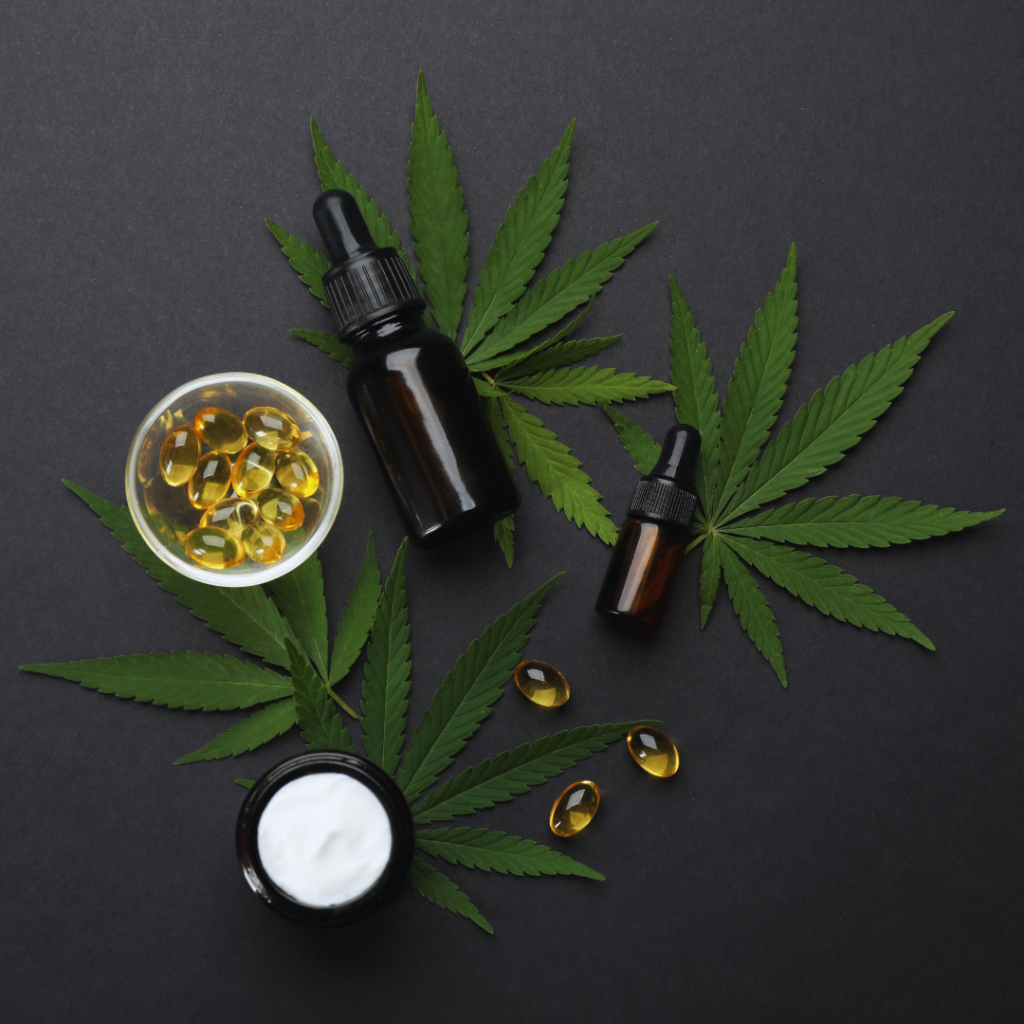
CBD tinctures and capsules are two popular methods of consuming cannabidiol, but they differ in how quickly and effectively they work. Tinctures provide faster absorption through sublingual use, while capsules offer convenience and a pre-measured dose that takes longer to digest.
Choosing between the two depends on your priorities—whether you need rapid effects or prefer a simple, consistent routine. Understanding these differences will help you decide which form suits your needs best.
Both options deliver similar benefits, but factors like onset time, dosage control, and lifestyle impact determine which one fits better into your daily regimen.
What Is a CBD Tincture?
CBD tinctures are liquid supplements designed for precise dosing and fast absorption. They involve specific ingredients and extraction methods, and users typically consume them by placing drops under the tongue.
Definition and Extraction
A CBD tincture is a concentrated liquid form of cannabidiol, extracted from hemp plants. The extraction process often uses solvents like ethanol or CO2 to isolate CBD from other plant compounds.
Ethanol extraction involves soaking the plant material in alcohol. This method efficiently pulls cannabinoids and terpenes but may require additional steps to remove impurities. CO2 extraction uses pressurized carbon dioxide, producing a pure and potent CBD extract without residual solvents.
The result is a clear or lightly colored oil that contains CBD along with trace amounts of cannabinoids and terpenes, depending on the extraction technique.
Common Ingredients
CBD tinctures usually contain three main ingredients: CBD extract, a carrier oil, and flavoring agents. The carrier oil serves as a base that dilutes the CBD and improves bioavailability.
Common carrier oils include:
- MCT oil (from coconut)
- Hemp seed oil
- Olive oil
Flavorings range from natural mint or citrus to vanilla or natural hemp. They help mask the earthy taste of raw hemp extract, making the tincture more palatable.
Some tinctures may also include additional beneficial herbs or vitamins, but the core focus remains on delivering CBD effectively.
How CBD Tinctures Are Used
Tinctures are most commonly taken sublingually—drops placed under the tongue. Holding the liquid there for 30 to 60 seconds allows CBD to enter the bloodstream quickly through the mucous membranes.
This method leads to a faster onset compared to capsules, with effects often noticeable within 15 to 45 minutes. It also allows for flexible dosing since users can adjust the number of drops.
Some people add tinctures to food, drinks, or smoothies, but this can delay absorption as the CBD must pass through the digestive system first. The sublingual route remains preferred for targeted and efficient use.
What Are CBD Capsules?
CBD capsules deliver cannabidiol in a measured, easy-to-swallow form. They are known for convenience and discreet use. These capsules vary in composition, formulation, and method of intake.
Definition and Composition
CBD capsules are small, gel-like containers filled with a precise dose of cannabidiol oil or powder. The outer shell is typically made from gelatin or a plant-based alternative such as cellulose for vegan options. This shell dissolves in the stomach, releasing the CBD inside.
The CBD within can be full-spectrum, broad-spectrum, or isolate. Full-spectrum contains all cannabinoids and terpenes, broad-spectrum removes THC, and isolate is pure CBD only. Capsule potency ranges widely, often between 10 mg and 50 mg per serving.
Types of CBD Capsules
There are mainly three types of CBD capsules:
- Full-spectrum capsules: Contain all naturally occurring hemp compounds, including trace THC.
- Broad-spectrum capsules: Contain multiple cannabinoids but no THC.
- CBD isolate capsules: Contain only pure CBD with no other hemp compounds.
Some capsules also combine CBD with additional supplements, like melatonin for sleep or turmeric for inflammation. This variation targets specific user needs.
How CBD Capsules Are Consumed
CBD capsules are taken orally with water, similar to standard supplements. They provide consistent dosing, which simplifies managing intake.
Because capsules must pass through the digestive system, the onset of effects typically takes 30 minutes to 2 hours. The duration of effects tends to last longer compared to other forms, like tinctures. Capsules are tasteless and odorless, appealing to those sensitive to hemp flavor.
Key Differences Between CBD Tinctures and Capsules
CBD tinctures and capsules differ mainly in how they are absorbed by the body, the time it takes to feel their effects, and their overall bioavailability. Understanding these aspects can help determine which form suits specific needs.
Absorption Rate
CBD tinctures are absorbed more quickly because they are taken sublingually—held under the tongue. This method allows CBD to pass directly into the bloodstream through capillaries, bypassing the digestive system. Absorption can begin within 15-30 minutes.
Capsules must travel through the digestive tract before entering the bloodstream. This process slows absorption, typically taking 30-90 minutes. The digestive enzymes and stomach acids may degrade some CBD, which affects how much enters circulation.
Onset and Duration of Effects
The onset of effects from tinctures is faster, generally within 15 to 45 minutes, due to direct sublingual absorption. Effects usually last 4 to 6 hours, depending on dosage and individual metabolism.
Capsules have a delayed onset, often between 1 to 2 hours, because the CBD must be digested first. However, the effects tend to last longer—up to 8 hours—due to slower release of CBD into the bloodstream.
Bioavailability
Bioavailability refers to the percentage of CBD entering circulation and available for use by the body. Tinctures typically offer bioavailability around 20-30%.
Capsules provide lower bioavailability, often around 10-20%, due to digestive loss and first-pass metabolism by the liver. However, capsules offer consistent dosing, which some users prefer for routine supplementation.
| Feature | CBD Tinctures | CBD Capsules |
| Absorption Rate | Fast (15-30 min) | Slow (30-90 min) |
| Onset of Effects | 15-45 min | 1-2 hours |
| Duration of Effects | 4-6 hours | Up to 8 hours |
| Bioavailability | 20-30% | 10-20% |
User Experience and Convenience
Different CBD forms affect how users manage dosage, flavor, and portability. These factors influence daily routines and personal preferences significantly.
Dosage Control
CBD tinctures offer precise dosage adjustments. Users can measure drops exactly with a dropper, allowing custom milligram amounts per use. This flexibility suits those starting with low doses or requiring gradual increases.
Capsules provide fixed doses, which simplifies intake for users who want routine and consistency. However, they lack the ability to fine-tune amounts mid-use. Capsules are timed-release, so effects may take longer to appear compared to tinctures.
In summary, tinctures allow for more personalized dosing, while capsules offer straightforward, pre-measured options ideal for consistent use.
Taste and Texture
Tinctures often have a natural, earthy flavor that some find bitter or unpleasant. They may be mixed with oils or flavorings, but the taste remains noticeable. The liquid texture can be oily or thick, depending on the carrier oil, which may affect user preference.
Capsules are tasteless and odorless since the CBD is enclosed in a gel or vegetable shell. This makes capsules preferable for users sensitive to taste or those who dislike the sensation of oil in the mouth.
For users concerned with taste, capsules provide a more neutral experience versus the direct taste and texture of tinctures.
Discreetness and Portability
Capsules are compact and easy to carry without drawing attention. They resemble standard supplements, making them highly discreet for use in public or at work.
Tinctures require a dropper bottle, which can be bulkier and less convenient to transport. Applying tincture involves placing drops under the tongue, which may be noticeable and is less discreet in social settings.
Overall, capsules score higher in portability and discretion, while tinctures may be less convenient for on-the-go usage.
Effectiveness and Potency Comparison
CBD tinctures and capsules differ significantly in how potency is measured and the consistency of their effects. These factors directly influence how users experience CBD and decide on the best format for their needs.
Standardized Potency Levels
CBD capsules typically come with a fixed dose per pill, often ranging from 10 mg to 25 mg. This standardization allows for easy tracking and precise dosing. Manufacturers label capsules with exact CBD content, which helps users maintain consistent intake.
Tinctures offer more flexible dosing. Concentrations vary widely, from about 250 mg to 1500 mg per bottle, with users controlling the number of drops per dose. However, measuring exact amounts can be less precise compared to capsules, potentially leading to variability in potency per serving.
| Format | Potency Range | Dose Control |
| Capsules | 10 mg – 25 mg per pill | Precise, fixed dose |
| Tinctures | 250 mg – 1500 mg/bottle | Flexible, less precise |
Consistency of Effects
Capsules generally provide steady and repeatable effects. The controlled dosage and digestion time make the onset and duration of effects more predictable. However, absorption can be slower due to digestion.
Tinctures absorb SubLingually (under the tongue), allowing for faster and often more potent effects. This route can lead to more variability in the experience based on factors like dosage accuracy and individual metabolism.
Consistency depends on users’ ability to measure tincture doses precisely, which can fluctuate. Capsules remove this uncertainty but may deliver effects more gradually compared to tinctures.
Potential Side Effects
Both CBD tinctures and capsules may cause side effects, though their frequency and intensity can vary depending on the form and individual response. Understanding these effects can help users make informed choices.
Common Adverse Reactions
CBD products can cause side effects such as dry mouth, fatigue, and changes in appetite or weight. These effects are generally mild and temporary but can vary by dose and personal sensitivity.
Tinctures are absorbed faster, potentially leading to quicker onset of side effects like dizziness or nausea. Capsules release CBD more slowly, which may reduce the intensity but prolong the duration of side effects.
In rare cases, individuals report diarrhea or mood changes. Monitoring how the body reacts is important, especially when starting a new product or adjusting the dosage.
Interaction with Other Medications
CBD can interfere with enzymes in the liver, particularly cytochrome P450, which affects how some drugs are metabolized. This can alter blood levels of medications such as blood thinners, anti-seizure drugs, and certain antidepressants.
Users taking prescription medications should consult a healthcare provider before starting CBD. Interaction risks may be higher with tinctures due to their faster absorption, but capsules also pose a risk.
Always report any new symptoms or unexpected effects to a medical professional to ensure safe use alongside other treatments.
Situational Suitability
Choosing between CBD tinctures and capsules depends on specific circumstances and preferences. Factors such as desired onset time, convenience, and dosage control play essential roles.
Best Use Cases for Tinctures
Tinctures offer flexibility in dosage since users can easily adjust the amount by changing the number of drops. They work faster because they absorb directly into the bloodstream under the tongue, typically within 15 to 30 minutes.
This makes tinctures suitable for those seeking quick relief from symptoms like anxiety or acute pain. They are also preferred by users who want to customize their dose throughout the day or combine CBD with other supplements or beverages.
However, tinctures often have a distinct taste, which might be a drawback for some users. Proper storage is necessary to maintain potency over time.
Ideal Scenarios for Capsules
Capsules provide precise, pre-measured doses, which are helpful for consistent daily use. They are easy to carry and discreet to consume, making them suitable for on-the-go users.
Capsules take longer to take effect—usually 30 minutes to 2 hours—since they must pass through the digestive system. This slower onset is beneficial for sustained, long-term symptom management rather than immediate relief.
Users who dislike the taste of tinctures or prefer a straightforward, mess-free method typically favor capsules. Capsules also have a longer shelf life and require less careful storage.
Cost and Value Considerations
When evaluating CBD tinctures and capsules, price and long-term benefits are critical factors. These impact how much a user pays upfront, how often they need to purchase, and the overall effectiveness over time.
Price Comparison
CBD tinctures usually cost between $30 and $80 for a 30 ml bottle, depending on the potency and brand. This size typically provides 600 to 1500 mg of CBD. Capsules, on the other hand, are sold in bottles of 30 to 60 capsules, with prices ranging from $40 to $90. Each capsule often contains between 10 and 25 mg of CBD.
Tinctures offer more flexible dosing since the amount of CBD can be adjusted drop by drop. Capsules have a fixed dose per unit but are more convenient for consistent intake. Generally, tinctures have a lower cost per milligram of CBD, but capsules can offer better pricing when bought in bulk.
Long-Term Value
Tinctures have a longer shelf life, often lasting about one to two years if stored properly. This reduces waste if users do so infrequently. Capsules tend to maintain potency for around one year.
Consistency matters for long-term results. Capsules provide precise dosing that aids routine use, potentially increasing effectiveness over time. Tinctures require measuring and can be less precise, which may affect dosing accuracy for some users.
Both formats support long-term usage, but convenience and dosing precision may influence which option provides better value based on individual needs.
How to Choose Between a CBD Tincture and Capsules
Choosing between a CBD tincture and capsules depends on your lifestyle and preferences. Tinctures offer faster absorption since they are taken sublingually (under the tongue). This allows the active compounds to enter the bloodstream quickly, providing more immediate effects.
Capsules are more convenient for consistent dosing and are easy to take on the go. They provide a controlled dose but take longer to take effect because they must pass through the digestive system first.
Consider these factors before deciding:
| Factor | CBD Tincture | CBD Capsules |
| Onset Time | 15-30 minutes | 30-90 minutes |
| Duration | 4-6 hours | 6-8 hours |
| Dosing Flexibility | Adjustable by dropper | Pre-measured |
| Taste | Natural cannabis flavor, some find it bitter | Tasteless |
| Portability | Requires a bottle and a dropper | Easy to carry and discreet |
If you need quicker relief or want to adjust your dose precisely, tinctures may be better. For simplicity and consistent dosing, capsules work well.
Your personal tolerance and sensitivity to taste should also be considered. Some find tinctures unpleasant due to their flavor, which capsules avoid completely.