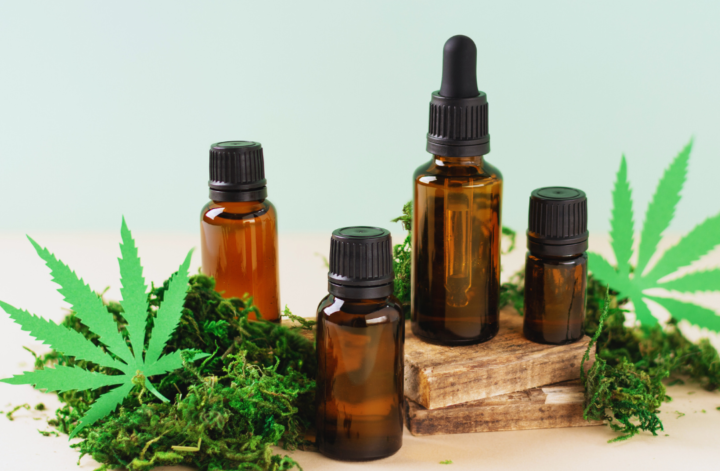

CBD is widely used for pain management due to its interaction with the body’s endocannabinoid system, which helps regulate pain and inflammation. Research suggests that CBD may reduce pain by influencing receptors linked to pain perception, offering a potential alternative to traditional medications.
People turn to CBD products like oils, creams, and capsules to address chronic pain, arthritis, and muscle soreness. While it is not a cure-all, CBD’s effects on pain relief have gained attention for being more natural and possibly having fewer side effects than some pharmaceuticals.
Understanding how CBD works, its uses, and limitations is essential for anyone considering it for pain management. This article breaks down the science and practical aspects of using CBD to help you decide if it’s right for your needs.
Understanding CBD for Pain Management
CBD affects the body’s systems in specific ways to help reduce pain. Its interaction with receptors in the nervous and immune systems plays a significant role. Different types of pain respond to CBD based on its mechanisms of action and delivery form.
What Is CBD?
CBD, or cannabidiol, is a non-psychoactive compound found in the cannabis plant. Unlike THC, CBD does not cause intoxication or a “high.” It is extracted from hemp varieties with less than 0.3% THC to comply with federal law.
CBD is available in various forms such as oils, capsules, topicals, and edibles. It is used for its potential therapeutic effects, including pain relief, without the mind-altering side effects associated with marijuana.
How CBD Interacts With the Body
CBD interacts primarily with the endocannabinoid system (ECS), which regulates pain, mood, and immune response. It influences CB1 and CB2 receptors but does not bind to them directly. Instead, CBD enhances the body’s own cannabinoids.
Additionally, CBD affects other receptors such as TRPV1, responsible for pain and inflammation regulation, and serotonin receptors that modulate mood and pain perception. These interactions combined contribute to pain relief and reduced inflammation.
Types of Pain Targeted by CBD
CBD has shown effectiveness against several types of pain, including:
- Chronic pain from conditions like arthritis and fibromyalgia
- Neuropathic pain caused by nerve damage or disorders
- Inflammatory pain linked to injury or autoimmune diseases
It is less effective for acute, sharp pain but may help with ongoing discomfort. The method of CBD administration impacts its efficacy for different pain types, with topical forms preferred for localized pain and oral forms for systemic pain.
How CBD Works to Manage Pain
CBD interacts with several biological systems to influence pain perception and inflammation. Its effects are primarily linked to how it interacts with the body’s internal regulatory mechanisms, without producing intoxication.
Endocannabinoid System Explained
The endocannabinoid system (ECS) is a complex cell-signaling system involved in maintaining homeostasis. It consists of cannabinoid receptors (CB1 and CB2), endocannabinoids, and enzymes that synthesize and degrade these compounds. CB1 receptors are mainly found in the brain and nervous system, while CB2 receptors are abundant in the immune system.
This system regulates pain, mood, appetite, and immune response. When the ECS functions properly, it helps reduce inflammation and modulate pain signals at both central and peripheral levels. Disruption or deficiency in ECS activity can contribute to chronic pain conditions.
CBD’s Role in Pain Modulation
CBD interacts indirectly with ECS receptors, unlike THC, which binds directly to CB1. CBD enhances the body’s natural endocannabinoid levels by inhibiting the enzyme FAAH, responsible for breaking down anandamide, a key pain-regulating molecule. Increased anandamide levels can reduce pain sensitivity.
Additionally, CBD influences non-cannabinoid receptors like TRPV1, involved in pain and inflammation. It may also affect serotonin receptors, which play a role in mood and pain perception. These combined pathways support CBD’s potential to alleviate neuropathic and inflammatory pain.
Distinguishing CBD From THC
CBD and THC are both cannabinoids, but differ significantly in their effects. THC is psychoactive, binding directly to CB1 receptors in the brain, producing the “high” associated with cannabis use. It can influence pain but carries the risk of intoxication and side effects.
CBD, in contrast, is non-intoxicating and modulates pain through indirect and multiple receptor pathways. It does not produce a high and is generally well tolerated. This makes CBD a preferred option for users seeking pain relief without impairment or psychoactive effects.
Forms and Methods of CBD Administration
CBD products come in several forms, each affecting how the body absorbs and utilizes the compound. The choice of method impacts onset time, duration, and the intensity of effects, which is crucial for effective pain management.
CBD Oils and Tinctures
CBD oils and tinctures are concentrated extracts designed for sublingual use, placed under the tongue for faster absorption through mucous membranes. This method bypasses the digestive system, allowing effects to begin within 15 to 30 minutes.
Users can control dosage easily with droppers, making it simpler to tailor intake. Typical concentrations vary, meaning potency can be chosen based on pain severity. These products often include carrier oils like MCT or hemp seed oil to improve absorption.
They are favored for their versatility and direct delivery to the bloodstream, which supports consistent relief with regular use.
Topical CBD Products
Topical CBD products include creams, balms, and lotions applied directly to the skin. They target localized pain, such as muscle soreness, joint inflammation, or neuropathic pain, by interacting with cannabinoid receptors in the skin.
Because topicals do not enter the bloodstream significantly, they avoid systemic effects and are useful for users seeking targeted relief. Absorption varies depending on the formulation and the area of application.
Consistent application is necessary to maintain effect. Ingredients like menthol or camphor may be added to increase the soothing sensation or enhance penetration.
Edibles and Capsules
Edibles and capsules provide an easy, discreet way to consume CBD. They must be digested and metabolized through the liver, which slows the onset time to 30 minutes or more but prolongs the effect duration.
Capsules deliver consistent, measured doses, reducing guesswork. Edibles like gummies also mask the natural taste of CBD, improving palatability. However, some users may experience variable effects due to differences in digestion.
This method is ideal for those needing longer-lasting relief and who prefer scheduled dosing over rapid absorption.
Vaping and Inhalation
Vaping or inhaling CBD involves breathing vaporized CBD oil or flower into the lungs. This method offers the fastest onset—within minutes—because CBD enters the bloodstream directly through lung tissue.
Effect duration is shorter, typically lasting a few hours. Users need to be cautious of product quality and potential respiratory irritation.
Vaping provides high bioavailability but requires suitable devices and proper technique. Inhalation is practical for acute pain episodes needing quick relief.
Efficacy of CBD for Various Types of Pain
CBD interacts with the body’s endocannabinoid system to influence pain perception and inflammation. Its effects vary depending on the type and cause of pain, often providing symptom relief without strong psychoactive effects.
Chronic Pain Relief
CBD shows potential in managing chronic pain conditions such as fibromyalgia and lower back pain. Studies suggest it may reduce pain by modulating inflammatory responses and signaling pathways in the nervous system.
Unlike opioids, CBD does not carry a high risk of addiction or severe side effects. Users report improvements in pain intensity and quality of life, although individual responses can vary. Consistent dosing and product quality are important factors.
Neuropathic Pain Support
Neuropathic pain results from nerve damage and can be resistant to conventional treatments. CBD may help by reducing nerve inflammation and altering pain signaling pathways.
Research, including animal models and limited human trials, highlights CBD’s ability to ease symptoms like tingling, burning, and numbness. It is often considered a complementary option alongside prescribed medications.
Arthritis and Inflammatory Pain
CBD’s anti-inflammatory properties are central to its use in arthritis pain relief. It can reduce joint swelling and tenderness by affecting cytokine production and immune cell activity.
Topical CBD products are frequently used for localized arthritis pain, allowing targeted relief with minimal systemic exposure. Oral formulations may complement these effects and address inflammation more broadly.
Acute Pain Considerations
Evidence for CBD in acute pain, such as post-surgical or injury-related pain, remains limited and inconsistent. It may offer some analgesic effects, but it is generally not a primary treatment.
CBD’s onset and duration of action can vary, affecting its suitability for sudden, intense pain episodes. It is more commonly used as part of a broader pain management strategy rather than as immediate pain relief.
Potential Benefits Beyond Pain Relief
CBD interacts with the body’s endocannabinoid system, influencing various physiological processes. Its effects extend to areas like sleep regulation and emotional balance, which are important for overall well-being.
Sleep Improvement
CBD may help regulate sleep patterns by addressing factors that disrupt rest, such as anxiety or chronic pain. Research indicates that CBD can increase total sleep time and reduce the number of nighttime awakenings.
It is thought to influence the sleep-wake cycle by interacting with receptors involved in circadian rhythm. Lower doses of CBD generally promote alertness, while higher doses may induce sedation.
Many users report improved sleep quality without the side effects common to traditional sleep aids. However, effects can vary depending on dosage and individual response.
Anxiety and Stress Reduction
CBD has shown potential in reducing anxiety by modulating serotonin receptors, which play a key role in mood regulation. Studies have demonstrated reduced anxiety symptoms in conditions like social anxiety disorder and PTSD.
It may dampen the body’s stress response, lowering cortisol levels and promoting a sense of calm. Unlike some medications, CBD does not typically cause sedation or impair cognitive function.
Users often experience a decrease in physical symptoms of stress, such as rapid heartbeat and muscle tension. The effectiveness depends on consistent use and appropriate dosing.
Safety, Side Effects, and Legal Considerations
CBD use requires attention to potential side effects, interactions with other medications, and legal status. Understanding these factors can help users make informed decisions.
Possible Side Effects
CBD is generally well-tolerated but can cause side effects in some individuals. Common effects include fatigue, dry mouth, and changes in appetite or weight. Some users may experience diarrhea or dizziness.
High doses of CBD may increase the risk of liver enzyme abnormalities, especially in people with pre-existing liver conditions. It’s important to start with low doses and monitor your body’s response.
Allergic reactions to CBD are rare but possible. If symptoms like rash, itching, or swelling occur, discontinue use and consult a healthcare provider.
Drug Interactions
CBD can interact with several medications by affecting how the liver metabolizes drugs. It inhibits cytochrome P450 enzymes, which process many prescription drugs.
Medications affected include blood thinners (e.g., warfarin), anti-epileptics, and some antidepressants. These interactions can increase drug levels, risking toxicity, or reduce effectiveness.
Always consult a healthcare professional before combining CBD with other medications, particularly if taking drugs with narrow therapeutic windows or those metabolized by CYP450 enzymes. They may recommend monitoring or dose adjustments.
Legal Status of CBD
The legal status of CBD varies by country and U.S. state. In the U.S., hemp-derived CBD containing less than 0.3% THC is federally legal but regulated differently at the state level.
Some states allow both medicinal and recreational use of CBD, while others restrict it to medical prescriptions only. FDA regulations prohibit marketing CBD as a dietary supplement or for therapeutic claims without approval.
Purchasing CBD from reputable sources ensures product safety, accurate THC content, and compliance with local laws. Verify third-party lab testing to avoid products with illegal THC levels.
Selecting Quality CBD Products
Choosing the right CBD product requires attention to brand reputation, accurate labeling, and proper dosage information. Understanding these factors helps ensure safety and effectiveness when using CBD for pain management.
Identifying Trusted Brands
Trusted CBD brands provide transparent information about their sourcing and manufacturing processes. Look for companies that use third-party lab testing and share Certificates of Analysis (COAs) on their websites. These reports confirm product potency and the absence of contaminants like heavy metals or pesticides.
Brands with clear customer support and positive reviews from verified buyers tend to have more reliable products. Additionally, prefer products made from organic hemp grown in regulated environments. Avoid brands making unsupported health claims, as this is often a red flag.
Reading Product Labels
Labels should list CBD concentration, extracted from either full-spectrum, broad-spectrum, or CBD isolate forms. Check for THC content—legal products typically contain less than 0.3%. Ingredients and any added substances like flavorings or carrier oils should also be clearly stated.
Pay attention to product type (oil, capsule, topical) and recommended serving sizes. Expiration dates and batch numbers provide quality control assurance. If labels contain vague terms like “hemp oil” without specifying CBD content, exercise caution.
Dosage Guidelines
Dosage depends on factors like body weight, pain severity, and product concentration. Start with a low dose, such as 5-10 mg of CBD per day, and increase gradually if needed. Using a consistent routine helps monitor effects accurately.
Consult product-specific guidelines since absorption varies by product type. Oils under the tongue act faster than capsules or edibles. Keep notes on effects to adjust dosage safely over time. Avoid exceeding recommended limits without professional advice.
Consulting Healthcare Professionals
Before using CBD for pain management, it is important to consult with a healthcare professional. They can provide advice based on your specific medical history and conditions.
Healthcare providers can help identify potential interactions between CBD and other medications you may be taking. This is especially important for blood thinners, antidepressants, and drugs processed by the liver.
Here are key points to discuss with your doctor:
- Current medications and supplements
- Type and severity of your pain
- Possible side effects and risks
- Appropriate dosage and product quality
Medical professionals have experience assessing the safety and effectiveness of treatments. Their guidance can help avoid complications and ensure better outcomes.
If you have a chronic condition or are pregnant, professional advice is necessary before trying CBD. Self-medicating without supervision may lead to unintended health issues.
Regular follow-up appointments can track progress and adjust treatment plans as needed. Documenting effects and side effects will support a clear dialogue with your healthcare provider.
Conclusion
CBD has gained attention for its potential role in managing various types of pain, including chronic and inflammatory pain. Research indicates that it may interact with the body’s endocannabinoid system, which plays a part in regulating pain and inflammation.
While some studies suggest positive effects, evidence is still emerging, and responses can vary by individual. CBD is generally well-tolerated with a low risk of serious side effects, but it’s important to consider product quality and dosage.
Key considerations for using CBD in pain management:
- Choose products with clear labeling and third-party testing
- Start with a low dose and increase gradually
- Consult with a healthcare professional, especially if using other medications
CBD is not a cure-all and should be part of a broader pain management strategy. Awareness of legal status and sourcing is also important when selecting CBD products.
In summary, CBD offers a promising option for some people seeking alternative pain relief methods, but further research is needed to establish standardized guidelines and confirm long-term safety.