
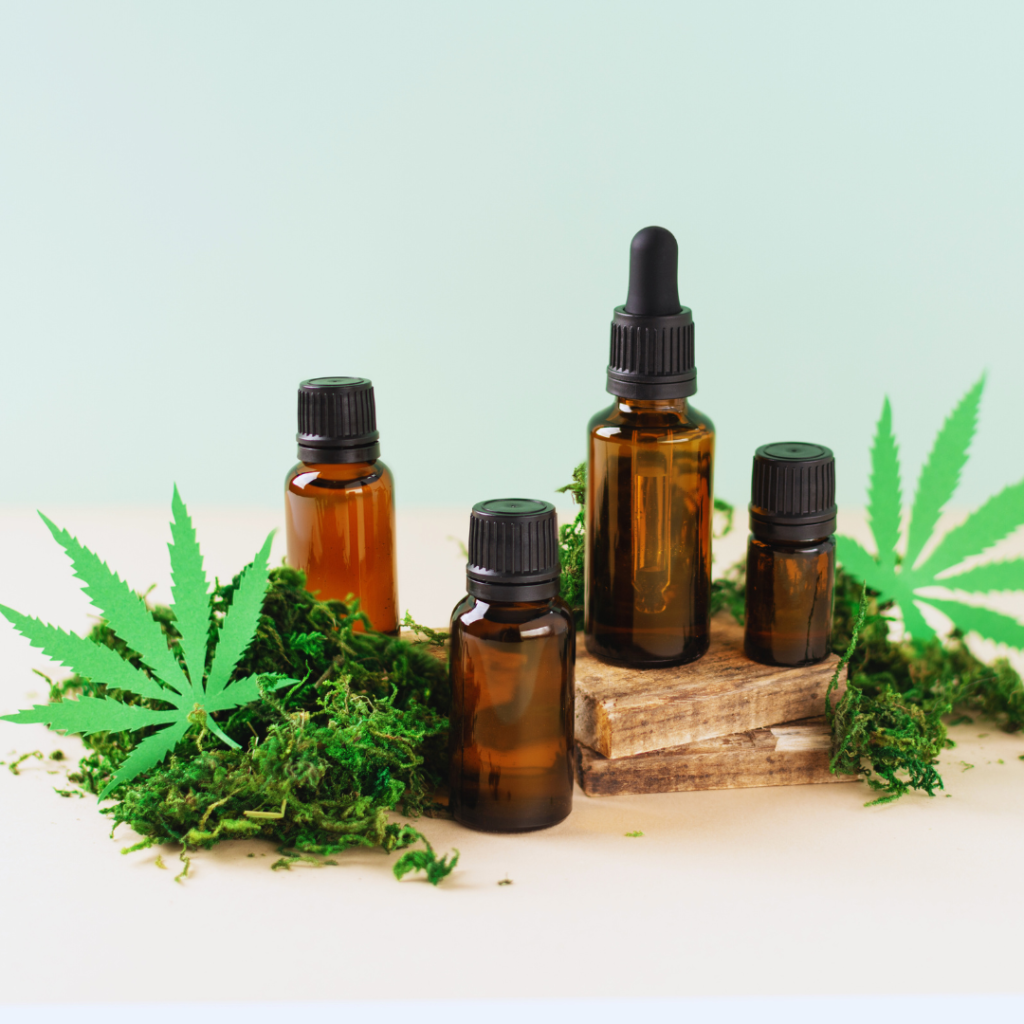
Hemp-derived CBD is a natural compound extracted from the hemp plant, known for its non-intoxicating properties. It contains cannabidiol (CBD), which interacts with the body’s endocannabinoid system without causing a “high” like THC.
This makes hemp-derived CBD legal in many places and popular for those seeking potential wellness support without psychoactive effects. Understanding what hemp-derived CBD is and how it works helps you make better choices when exploring its uses.
What Is Hemp Derived CBD?
Hemp-derived CBD comes from specific varieties of the hemp plant that are grown primarily for industrial and medicinal use. It contains unique chemical properties and falls under distinct legal frameworks compared to other cannabis products.
How Hemp CBD Differs from Marijuana CBD
Hemp CBD is extracted from hemp plants that contain 0.3% or less THC by dry weight. Marijuana CBD, in contrast, comes from cannabis plants with higher THC levels, typically above 0.3%. This difference affects how each is regulated and its psychoactive effects.
Hemp CBD produces no intoxicating effects because of its low THC content. Marijuana CBD may have higher THC, which can cause psychoactive sensations. Consumers looking for non-intoxicating options typically choose hemp-derived CBD.
Chemical Composition of Hemp CBD
Hemp-derived CBD primarily contains cannabidiol (CBD), a non-psychoactive cannabinoid. It also includes minor cannabinoids like cannabigerol (CBG) and cannabinol (CBN), along with trace amounts of THC capped at 0.3%.
Other components can include terpenes, flavonoids, and plant waxes, contributing to what is called the “entourage effect.” Full-spectrum CBD products include all these compounds, while CBD isolates contain only pure cannabidiol.
Legality of Hemp-Derived CBD
The 2018 U.S. Farm Bill legalized hemp and hemp-derived products federally, provided THC content stays below 0.3%. This distinction enables widespread availability of hemp CBD across states.
However, some states have additional restrictions or regulations on CBD products. International laws vary, so legality depends on local jurisdictions. Hemp-derived CBD is generally accepted as legal in most parts of the United States.
How Hemp-Derived CBD Is Made
Hemp-derived CBD begins with the raw plant material and undergoes careful extraction, purification, and quality control processes. Each step aims to preserve the compound’s integrity and ensure safety for consumer use.
Extraction Methods
The first step is extracting CBD from hemp plants. The most common methods are CO2 extraction, ethanol extraction, and hydrocarbon extraction.
CO2 extraction uses supercritical carbon dioxide under high pressure and low temperature. This method is precise and produces a clean, high-quality extract without residual solvents.
Ethanol extraction involves soaking hemp biomass in ethanol to dissolve cannabinoids. This method is faster but often captures more chlorophyll, requiring thorough refinement.
Hydrocarbon extraction uses butane or propane as solvents. It yields potent extracts but must be carefully purged to remove toxic residues.
Processing and Purification
After extraction, crude CBD oil contains cannabinoids, terpenes, waxes, and unwanted plant materials. This mixture undergoes winterization, where the oil is chilled to solidify and remove fats and waxes.
Next is distillation, which uses heat and a vacuum to separate compounds based on boiling points. This step refines CBD concentration and removes impurities.
Some products may undergo chromatography to isolate specific cannabinoids and eliminate THC, ensuring compliance with legal limits.
Purified CBD oil is then formulated into final products such as tinctures, capsules, or topicals.
Quality Control Standards
Stringent quality control ensures hemp CBD products are safe and effective. Testing includes verifying cannabinoid potency, confirming THC levels under 0.3%, and screening for contaminants like pesticides, heavy metals, and residual solvents.
Third-party lab testing is standard practice, providing transparent, unbiased results.
Manufacturers often follow Good Manufacturing Practices (GMP) to maintain consistent quality and cleanliness.
Batch records and Certificates of Analysis (COAs) document product safety and cannabinoid profiles, forming a reliable assurance for consumers.
Benefits of Hemp-Derived CBD
Hemp-derived CBD offers measurable effects on physical and mental well-being. It interacts with the body’s endocannabinoid system, influencing various functions. Many users report improvements in specific areas without strong psychoactive effects.
Potential Wellness Effects
CBD from hemp is known for its anti-inflammatory and analgesic properties. It can help reduce chronic pain by affecting pain receptor activity. Some users find it supports relaxation and reduces mild anxiety without sedation.
It may aid in improving sleep quality by addressing factors like stress or discomfort that interfere with rest. Unlike THC, hemp-derived CBD does not produce intoxication, making it suitable for daytime use.
The effects vary by individual and depend on dosage and product quality. It is often used as a natural alternative or complement to traditional treatments in managing symptoms.
Supporting Research
Scientific studies indicate CBD’s role in modulating inflammation and neurological activity. For example, clinical trials show benefits for conditions such as arthritis and epilepsy with controlled dosing.
Research published in peer-reviewed journals highlights CBD’s impact on anxiety reduction in human and animal models. However, more large-scale clinical trials are needed to confirm specific therapeutic uses.
Regulatory agencies like the FDA acknowledge CBD’s potential but emphasize the importance of standardized formulations and safety evaluations. Current data support its use mainly for symptom management rather than curing diseases.
Common Uses
Hemp-derived CBD is commonly used in oils, capsules, and topical creams. Users apply it to address pain, stress, and sleep difficulties mainly.
Athletes often use CBD for muscle recovery and inflammation control. Others incorporate it into wellness routines to support mood stabilization.
Dosage varies based on condition and product strength. It is important to start with low doses under medical guidance and monitor individual response.
Hemp-Derived CBD Products
Hemp-derived CBD products come in various forms, each designed to deliver cannabidiol in a convenient way. Understanding the types available, how to select quality products, and how to interpret labels will help users make informed choices.
Types of CBD Products
CBD products can be found as oils, capsules, edibles, topicals, and vapes. Oils and tinctures are among the most common, usually taken sublingually for quicker absorption. Capsules offer a familiar form but take longer to digest.
Edibles like gummies provide a tasty option but vary in dosage accuracy. Topicals are applied directly to the skin and do not enter the bloodstream, useful for localized relief. Vapes deliver CBD quickly via inhalation but require caution due to potential lung irritation.
Choosing Quality CBD
Look for products with third-party lab testing to verify cannabinoid content and check for contaminants like heavy metals and pesticides. Reputable brands will provide a Certificate of Analysis (COA) that matches the product batch.
Opt for full-spectrum or broad-spectrum CBD depending on preference. Full-spectrum contains trace THC (below 0.3%) and other cannabinoids, while broad-spectrum removes THC entirely. Avoid products with unclear sourcing or synthetic additives.
Organic hemp sources and clean extraction methods like CO2 extraction usually indicate higher quality. Price can reflect quality, but very cheap products might be unreliable.
Understanding Labels
CBD labels should clearly state the total CBD content per bottle and per serving. Percentages and milligrams are common units. Ingredients must list carrier oils, flavorings, and other additives.
Check for THC content, especially if you must avoid THC for legal or personal reasons. Terms like “hemp oil” can be misleading, as they might refer to hemp seed oil without CBD.
Expiration date and storage instructions also matter. Proper storage in a cool, dark place maintains potency over time.
Safety and Side Effects
Hemp-derived CBD is generally well tolerated, but it can cause certain side effects and interact with medications. Understanding safe usage practices helps minimize risks.
Possible Side Effects
Common side effects of CBD include dry mouth, fatigue, and changes in appetite or weight. Some users report mild gastrointestinal issues like diarrhea.
The likelihood of these effects varies by dose and individual sensitivity. High doses may increase side effect risk.
Serious side effects are rare but can include liver enzyme changes. Blood tests may be needed for frequent or high-dose users to monitor liver function.
Interactions with Other Substances
CBD can affect how the body processes some medications due to its impact on liver enzymes, especially cytochrome P450.
Medications such as blood thinners, seizure drugs, and antidepressants may interact with CBD, leading to altered blood levels and effects.
Always consult a healthcare provider before combining CBD with prescription drugs. Avoid self-medicating if on complex medication regimens.
Safe Usage Guidelines
Start with low doses and gradually increase while monitoring for side effects. Follow product label instructions carefully.
Choose CBD products from reputable sources with third-party lab testing to confirm purity and cannabinoid content.
Avoid driving or operating heavy machinery until you understand how CBD affects you. Pregnant or breastfeeding individuals should avoid CBD unless advised by a doctor.
Legal and Regulatory Considerations
Hemp-derived CBD’s legality depends on complex laws at multiple levels. Regulations vary widely, affecting how products are made, sold, and used. It is essential to understand these distinctions.
Federal Laws in the United States
Under the 2018 Farm Bill, hemp-derived CBD containing less than 0.3% THC is legal federally. The U.S. Drug Enforcement Administration (DEA) classifies hemp-derived CBD differently from marijuana, allowing most CBD products to be sold and possessed legally.
The Food and Drug Administration (FDA) retains authority over CBD in food, supplements, and cosmetics. The FDA has approved only one CBD-based drug, Epidiolex. CBD cannot be marketed with health claims or added to food without FDA approval. This creates ongoing legal ambiguity for many manufacturers and retailers.
State-Specific Regulations
State laws on hemp-derived CBD vary significantly. Some states allow all CBD products with minimal restrictions, while others impose licensing requirements or limit product types.
For example, California permits broad sales of CBD in food and beverages, whereas states like Idaho ban all CBD products except FDA-approved medicines. Retailers and consumers must check local regulations carefully to ensure compliance.
States also differ on labeling, testing, and THC limits, affecting product availability and safety standards in local markets.
International Laws
CBD laws outside the U.S. vary and often depend on THC content. The European Union allows hemp-derived CBD with less than 0.2% THC, but member countries implement their own restrictions.
In Canada, CBD is regulated under the Cannabis Act, requiring licensed producers and retailers. Several Asian and Middle Eastern countries strictly prohibit all cannabis products, including hemp-derived CBD.
Travelers should verify local laws before bringing CBD merchandise abroad, as penalties for violation can be severe.
Buying and Using Hemp-Derived CBD
Buying hemp-derived CBD requires awareness of where to shop and how to verify product quality. Knowing the best practices for use helps with safe and effective consumption.
Where to Buy
Hemp-derived CBD is available in physical stores and online. Pharmacies, health food shops, and specialty CBD retailers often stock a variety of products. Buying directly from CBD brand websites is common and can provide detailed product information.
Check local laws before purchasing, as regulations vary by state and country. Online purchases should come from companies that ship legally to your location.
Product options include oils, capsules, edibles, and topicals. Choose the product type based on your preference and intended use.
Identifying Reputable Sources
Look for third-party lab testing results, often called Certificates of Analysis (COAs). These tests confirm cannabinoid levels and check for contaminants like pesticides and heavy metals.
Check if the product contains less than 0.3% THC to comply with legal standards in most regions. Transparent companies will clearly display this information on packaging or websites.
Avoid companies that make unrealistic health claims. Reliable brands provide accurate, verifiable product details and customer service.
Tips for First-Time Users
Start with a low dose, such as 5-10 mg of CBD, and gradually increase if needed. Observe how your body responds over several days before adjusting the dose.
Keep track of effects and any side effects to find your optimal use pattern. Consistency in timing and dosing helps assess efficacy.
Consult a healthcare provider before use, especially if you take other medications. This ensures safety and prevents potential drug interactions.
The Future of Hemp-Derived CBD
Hemp-derived CBD is positioned for steady growth as more countries adjust their legal frameworks. This will likely increase product availability and consumer access worldwide.
Advancements in extraction and formulation methods are improving the quality and consistency of CBD products. These innovations aim to reduce impurities and enhance bioavailability.
Regulatory clarity remains a key factor shaping the market. Governments are expected to develop clearer guidelines on labeling, dosage, and safety testing.
| Key Trends | Impact on the CBD Market |
| Legal reforms | Expanded market access |
| Extraction tech | Higher product purity |
| Consumer education | Informed purchasing |
| Standard regulations | Increased safety |
Scientific research is expanding, with ongoing clinical studies exploring CBD’s potential uses. These studies may influence how products are marketed and prescribed in the future.
Consumer demand for natural wellness alternatives supports growth. CBD’s appeal as a non-intoxicating option continues to attract various demographics.
Overall, the future of hemp-derived CBD depends on legal, technological, and scientific progress aligning to meet market and consumer needs.